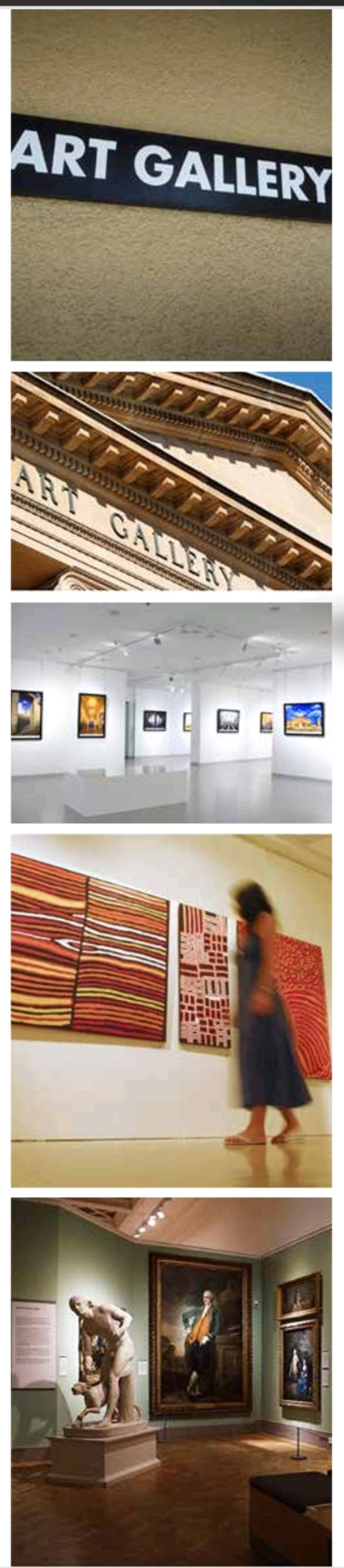
Humidity Control in Art galleries

Art galleries are spaces where the

preservation of artworks is

paramount, and environmental

conditions play a critical role in

ensuring the longevity and quality

of the displayed pieces.

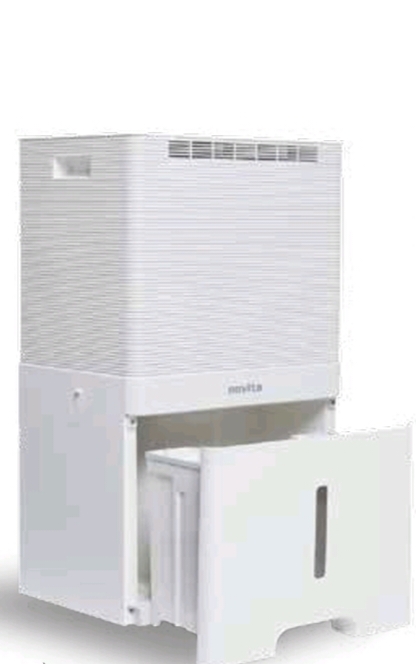
Dehumidifiers serve as essential

tools in maintaining the ideal

humidity levels within art galleries.


Here’s an introduction to the use

and benefits of dehumidifiers in

art galleries


1) Artworks, especially

paintings, sculptures, and

delicate materials, are highly

sensitive to fluctuations in

humidity.


2) This control is essential for

preventing the deterioration

of various art mediums over

time.


3) Gallery staff should strate-

gically position units to

ensure even coverage and

select the appropriate

capacity based on the size

and layout of the space.


Maximizing Profits

Dehumidifiers are indispensable tools for art galleries, playing a crucial role in the preservation of valuable artworks. Their ability to control humidity, prevent Mold, and create a stable environment contributes to the longevity andintegrity of the gallery’s collection.

Application

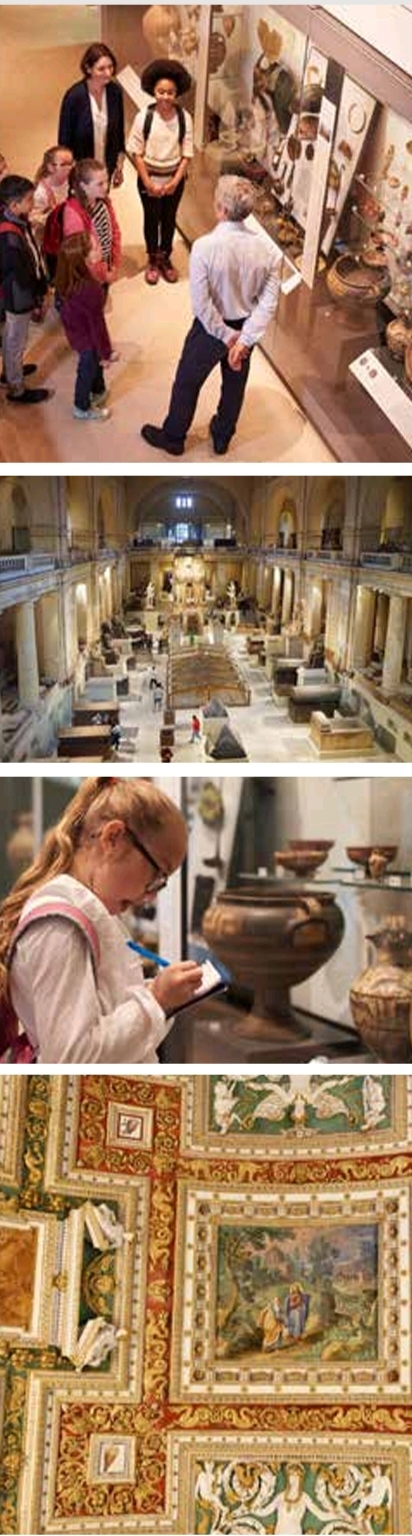
Museums

Artifact Preservation:

Museums house a wide range of artifacts made from various materials, including textiles, paper, wood, and metals. Controlling humidity helps prevent deterioration, mold growth, and other forms of damage that can affect the longevity and integrity of these artifacts.

Climate Control:

Dehumidifiers contribute to maintaining a stable climate by regulating both temperature and humidity. This stability is essential for the conservation of delicate items that may be sensitive to fluctuations in environmental conditions.

Protection Against Mold and Mildew:

High humidity levels create a conducive environment for mold and mildew growth. Dehumidifiers help inhibit the conditions that promote these issues, ensuring the artifacts remain free from fungal infestations.

Paper and Document Preservation:

Museums often house historical documents, manuscripts, and paper-based items. Excessive humidity can lead to yellowing, brittleness, and deterioration of paper. Dehumidifiers aid in preserving the quality of these important documents.

Artwork Conservation:

Paintings, drawings, and sculptures are susceptible to damage in humid conditions. Dehumidifiers play a crucial role in preventing warping, cracking, and other forms of degradation in artworks.

Reducing Corrosion on Metal Objects:

Metal artifacts, coins, and sculptures are prone to corrosion in high humidity. Dehumidifiers help protect these items by maintaining a drier environment, preventing rust and corrosion.

Biological Pest Prevention:

Insects and pests thrive in humid conditions and can pose a threat to museum collections. Dehumidifiers create an environment less favourable for pests, contributing to the prevention of infestations.

Customized Environmental Controls:

Advanced dehumidifiers often come with customizable settings, allowing museum staff to tailor the environmental controls based on the specific requirements of different exhibits and artifacts.

Conservation of Textiles and Clothing:

Historical clothing, textiles, and fabrics can be damaged by highmhumidity. Dehumidifiers aid in preserving the colour, texture, and structural integrity of these items.

Specialized Exhibit Conditions:

– Some exhibits may require specific environmental conditions, such as lower humidity for certain artifacts. Dehumidifiers enable museums to create specialized microenvironments within exhibit spaces.

Audiovisual Equipment Preservation:

– Museums often use audiovisual equipment for educational purposes. Dehumidifiers help protect electronic devices from moisture-related damage, ensuring their functionality and longevity.


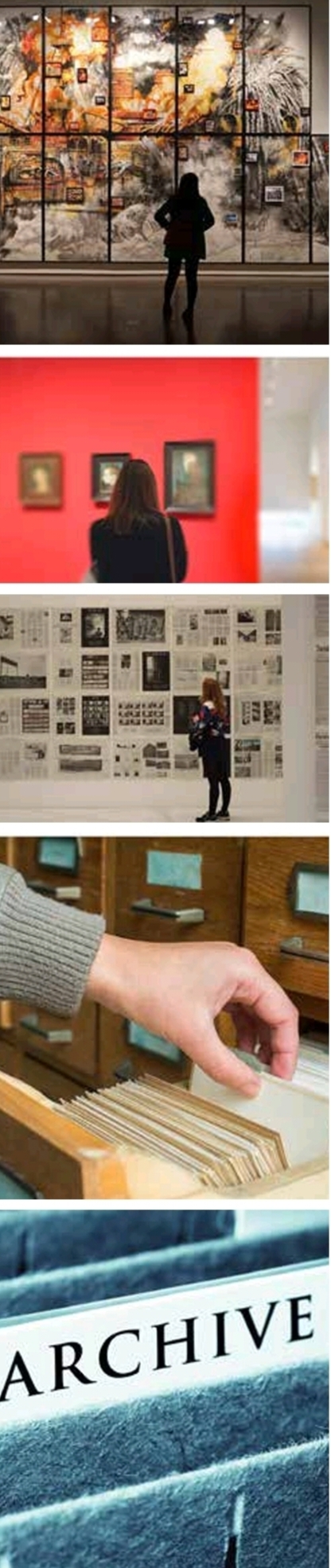
Archives

Preservation of Documents and Records:

Archives often house paper-based materials, including historical documents and manuscripts. Controlling humidity levels with dehumidifiers helps prevent deterioration, yellowing, and brittleness, ensuring the longevity of these valuable records.

Preventing Mold and Mildew Growth:

High humidity can lead to Mold and mildew growth on paper and other materials. Dehumidifiers inhibit the conditions that promote these biological threats, safeguarding the archives from fungal infestations.

Conservation of Photographs and Film:

Archives may contain photographic prints, negatives, and film reels. These materials are sensitive to moisture and can degrade in humid conditions. Dehumidifiers assist in preserving the quality of photographs and film, preventing warping, fading, and other forms of damage.

Maintaining Stable Climate:

Dehumidifiers contribute to maintaining a stable climate by controlling both humidity and temperature. This stability is crucial for the conservation of archival materials, as fluctuations can lead to structural damage and chemical deterioration.

Preventing Corrosion on Metal Objects:

Archives may store metal artifacts, seals, and machinery. High humidity can lead to corrosion and rust on these items. Dehumidifiers help protect metal objects, ensuring their longevity and preserving their historical significance.

Electronic Media Preservation:

Archives may house electronic media, such as floppy disks, CDs, and digital storage devices. Dehumidifiers help protect these items from moisture-related damage, preventing data loss and ensuring the accessibility of digital records.

Preventing Pest Infestations:

Insects and pests are attracted to humid environments. Dehumidifiers create conditions less favourable for pests, contributing to the prevention of infestations that could damage archival materials.

Textile and Fabric Preservation:

Archives may store historical textiles, clothing, and fabrics. Humidity can lead to Mold growth and deterioration. Dehumidifiers aid in preserving the colour, texture, and structural integrity of these textiles.

Special Collections and Rare Books:

Archives often house rare books and special collections. These items may be particularly sensitive to environmental conditions. Dehumidifiers provide precise control over the humidity levels, ensuring thepreservation of rare and delicate materials.

Customized Environmental Controls:

Dehumidifiers with customizable settings allow archivists to tailor the environmental conditions based on the specific requirements of different collections and materials.

Secured Art Storage

Preservation of Art Collections:

Secured art storage facilities house valuable and often irreplaceable artworks. Dehumidifiers are employed to maintain specific humidity levels, preventing damage such as warping, mold growth, and deterioration that can affect the longevity and quality of the art pieces.

Humidity Control:

Dehumidifiers contribute to maintaining a stable climate by regulating humidity levels. This stability is crucial for the conservation of delicate artworks, preventing adverse reactions such as expansion and contraction of materials.

Protection Against Mold and Mildew:

High humidity levels can create conditions conducive to mold and mildew growth. Dehumidifiers are essential for inhibiting these biological threats, safeguarding the art collection from fungal infestations.

Temperature and Relative Humidity Stability:

Dehumidifiers help in maintaining stable temperature and relative humidity levels. This stability is particularly important for secured art storage to ensure the preservation of artworks over extended periods.

Preventing Condensation:

In environments with temperature variations, condensation can form on artwork surfaces. Dehumidifiers help minimize the risk of condensation, preventing potential water damage and staining on the art pieces.

Reducing Corrosion on Metal Artifacts:

Metal sculptures and artifacts are susceptible to corrosion in high humidity. Dehumidifiers assist in protecting these items by maintaining a drier environment, preventing rust and corrosion.

Customized Environmental Controls:

Advanced dehumidifiers often come with customizable settings, allowing storage facility managers to tailor the environmental controls based on the specific requirements of different artworks or collections.

Preservation of Textiles and Fabrics:

Secured art storage may include textiles, historical clothing, and fabrics. High humidity can lead to Mold growth and deterioration. Dehumidifiers aid in preserving the color, texture, and structural integrity of these items.

Conservation of Wooden Artifacts:

Wooden frames, sculptures, and artifacts are sensitive to fluctuations in humidity. Dehumidifiers protect wooden items from warping, cracking, and other forms of damage associated with high humidity.

Electronic Media Preservation:

Storage facilities may house electronic media related to art collections.Dehumidifiers help protect these items from moisture-related damage,ensuring the longevity and accessibility of digital records and documentation.

Preventing Pest Infestations:

Insects and pests are attracted to humid environments. Dehumidifiers create conditions less favourable for pests, contributing to the prevention of infestations that could damage artworks.

You may like to read…

Humidity Control for HOME

Humidity Control for HOME

Humidity Control for HomeHumidity Control  For Home Excess humidity in the home can lead to a range of issues, from discomfort and musty odours to more serious problems like Mold growth and damage...

Share This
whatsapp Call Now