Humidity Control for Music Studios
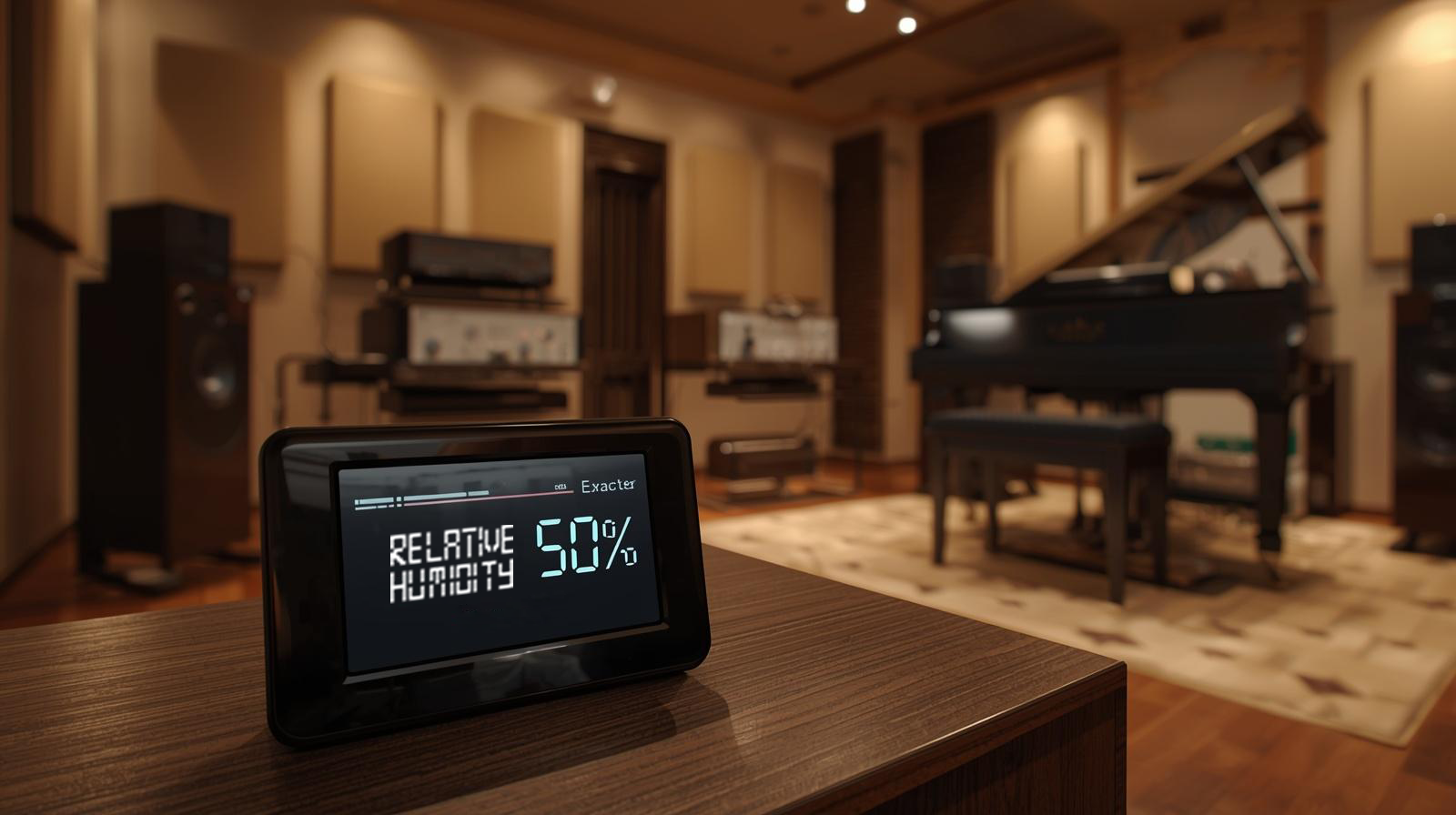
Best Practices for Humidity & Air Quality Management in Music Studios
Our love for music is deep , it makes us happy , it makes us dance to the tunes , it makes us hum, it makes us cry, it heals and its countless therapies for our lives. Music rooms and studios are the places where these music and melodies are born and the music instruments are like sacred tools through which mere sounds become souls , crafting emotions in every notes.
These spaces are not only where musicians practice and create, but also where the precious music instruments find their homes. To ensure that the environment is conducive to both creativity and instrument preservation, proper temperature and humidity control is essential. In this blog, we’ll explore the best practices for temperature and humidity monitoring in music rooms, uncovering the techniques that maintain the delicate balance between optimal conditions for instruments and the creative energy of musicians.
Music studios/rooms are predominantly closed and totally packed up structure usually said to be a room within a room. It is often built on a concept of a floating structure inside a room. This within the room structure isolates vibrations and prevents sounds from leaking in and out. Separate walls, ceilings, and floors with air gaps or resilient channels to decouple surfaces.
Temperature and humidity levels can significantly impact both Studio environment, instruments and the musicians as well:
Instrument Health : Fluctuations in temperature and humidity can lead to cracks, warping, and changes in sound quality in instruments.
Studio Environment : due to excess humidity the inside environment of the studio can be prone to mold menaces leading to foul smell and comfortability and artists require a comfortable environment to perform at their best, both mentally and physically.
Music rooms are more than spaces; they’re the realms of creativity and emotion. To harmonize the energies of musicians and their instruments, temperature and humidity control is paramount. By implementing best practices in monitoring and maintenance, musicians can ensure their instruments remain in peak condition, ready to produce melodies that resonate with hearts and souls. A music room with optimal climate conditions not only enhances the longevity of instruments but also cultivates an environment where creativity flourishes.
Precisely humidity control is crucial to ensure quality, optimized processes , improved environment and energy efficiency. Therefore, investing in advanced technological solutions that monitor and regulate humidity levels, such as the hygroscopic cycle, is becoming essential in case of modern studios. These measures not only help to address the associated challenges, but also to promote more effective and sustainable operations.
At Climatronics we are equipped thoroughly to provide world class dehumidifiers to maintain and manage humidity levels at sound studios , music rooms and music studios located any where in India. Our approach towards dehumidification is with the sheer objective to not let the humidity tamper the tune, We value the creations, we value the creators and so do we value the space where the creations are born


Humidity in cleanrooms, usually maintained between 40-60% RH,
Higher than the prescribed figure significantly impacts contamination levels, product integrity, and equipment performance.
High humidity (>60%) promotes microbial growth, corrosion, and condensation, while low humidity (<40%) triggers electrostatic discharge (ESD) and material degradation.
Excessive moisture promotes Microbial Growth like bacteria and fungi, which is critical in this process, often requiring stringent control of relative humidity (RH) to maintain sterility.
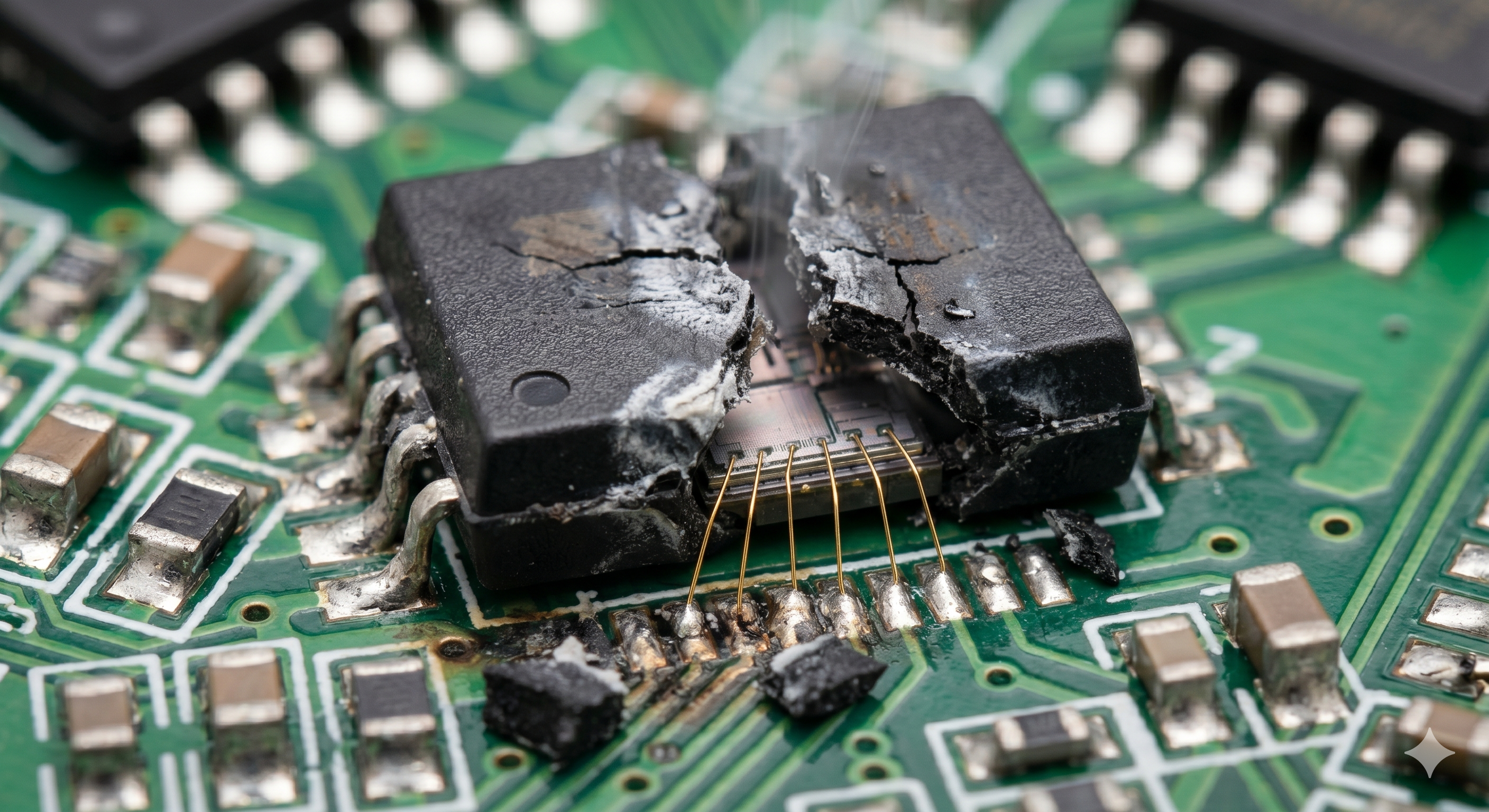
Moisture can cause metal components and sensitive equipment to corrode, resulting in damage and increased maintenance.
High moisture levels can lead to condensation, promoting particle adhesion to surfaces and affecting the production quality.
Moisture absorption in case of high humidity and or drying can alter the properties of these materials used in the manufacturing or research.
Electrostatic Discharge in case of Low Humidity : Dry air allows for the buildup of static electricity, which can cause ESD and damage delicate electronic components.